
Cocaine Addiction Treatment
- Physically milder than people expect. The psychological side is what needs support
- 24/7 nursing through the crash, with medication for sleep and mood
- Depression and anxiety underneath it treated in the same plan
- Residential, PHP and IOP across Arizona, Texas, Nevada and Oregon

Medically reviewed by
Dr. Keith Garcia, MD, PhD, Medical Director
Last reviewed August 2026
Check your insurance

Free & confidential • No obligation • Usually answered within minutes




A different kind of caller
"I have a good life. I just can't stop bingeing."
Many people we treat for cocaine don't fit the picture they expect, they have jobs, families, and years of sobriety behind them, and a weekend habit that quietly became something they can't control on their own. Others are managing a career or a probation requirement while bingeing in private. Whatever your situation looks like from the outside, if cocaine is affecting your life, you deserve support, and you don't have to lose everything first to get it.
What the crash is like
Cocaine withdrawal isn't usually medically dangerous, but the crash is real, and it's rarely explained honestly.
Most people describe the days after they stop using as a "crash": deep exhaustion, low mood or depression, trouble feeling pleasure in things that used to feel good, and strong cravings. Some also feel anxious or irritable. It's not usually life-threatening, but it can feel overwhelming, and having support through it is far easier than facing it alone.

Why treatment matters
The danger was never the withdrawal. It's the pull back.
Because cocaine withdrawal isn't medically dangerous, it's easy to assume you don't need real treatment, but the challenge with cocaine has always been the cravings and the patterns that pull people back to using, especially after a binge. Structure, distance from triggers, and proven behavioral tools are what actually break that cycle. Your plan draws on the approaches with the strongest evidence for stimulant recovery:
CBT
Identifying the thoughts, situations, and triggers that drive cocaine use, and building different responses to cravings.
Contingency Management
A structured, reward-based approach with strong evidence specifically for stimulant use disorder.
Relapse Prevention
Concrete planning for triggers, high-risk situations, and binge patterns, especially relapse after periods of sobriety.
Dual-Diagnosis Care
Integrated treatment for cocaine use alongside depression, anxiety, or alcohol use.
Motivational Interviewing
A collaborative approach that meets you where you are, rather than pushing a fixed script of what recovery should look like.
Trauma-Informed Care
For clients whose use is tied to past trauma. Delivered with dignity and without judgment.
Family Programming
Support for the people around you, since cocaine use disorder affects the whole family, not just the person using.
Experiential & Holistic
Equine therapy, art and music therapy, and other approaches that support the clinical work in a different way.
Cocaine and alcohol, together
A classic combination, and one that's harder on the heart.
Cocaine and alcohol are frequently used together, and it's a combination worth taking seriously: mixed in the body, they form a compound called cocaethylene, which puts extra strain on the heart. Many of the people we treat for cocaine also drink heavily, or are managing depression or anxiety alongside their use. We treat all of it as one coordinated plan, with cardiac-aware medical screening built into your care, not separate referrals you have to juggle.
Levels of care
From detox to independence, one team the whole way.
Find a center
Cocaine treatment across Texas, Arizona, Nevada, and Oregon.
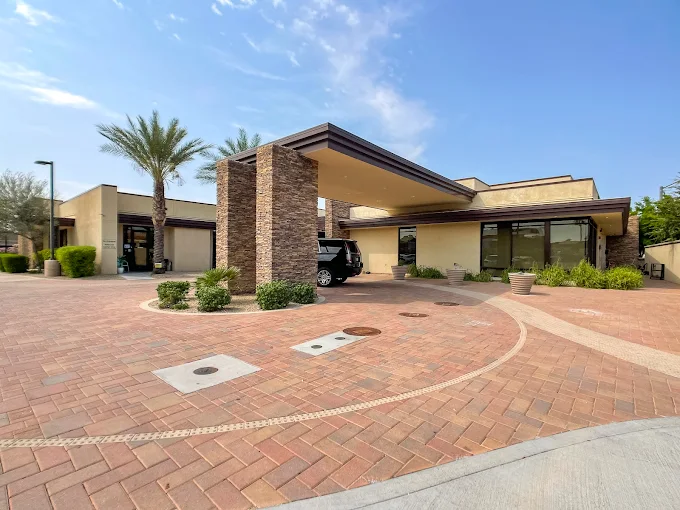 Arizona · Detox onlySun City WestDedicated detox facility. 24/7 RN coverage, daily physician visits, cardiac-aware medical screening.
 Nevada · Detox + residentialLas VegasDetox villa, then step directly into a private residential villa. No roommates.
 Texas · Detox + residentialHoustonDetox through residential care, with psychiatric evaluation within 24 hours of admission.
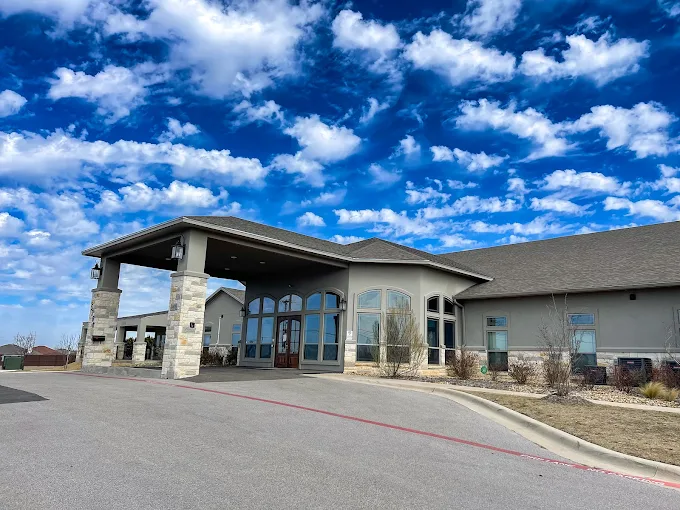 Texas · Detox + residentialKilleenMedical detox and residential treatment on one campus, including Warriors Path for veterans.
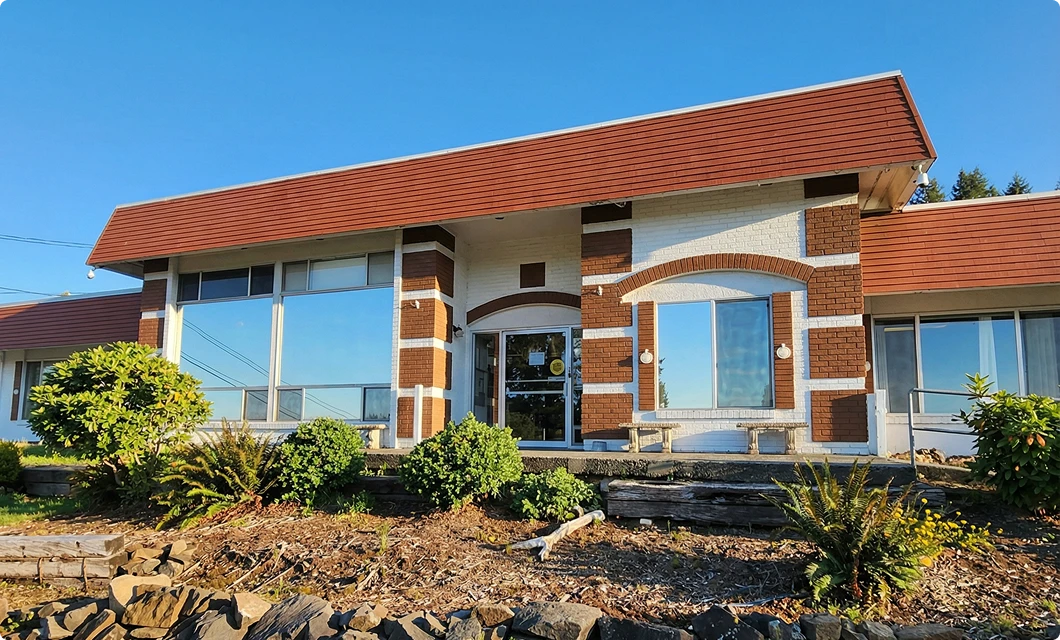 Oregon · Detox + residentialAstoriaDetox with step-in to residential. EMDR and CPT available for clients whose use is trauma-linked.
Common questions
Questions people ask about cocaine treatment
Anything not answered here, ask on the call. There is no obligation.
(866) 461-3339- What is cocaine withdrawal like?
- Cocaine withdrawal is mostly psychological rather than physically dangerous, often described as a "crash". Intense fatigue, depression, low mood, difficulty feeling pleasure, and strong cravings. Some people also feel anxious or irritable in the early days. While it's rarely medically serious, it can feel overwhelming, and having support makes it far easier to get through than facing it alone.
- Do I really need rehab for cocaine if the withdrawal isn't dangerous?
- Yes, the challenge with cocaine isn't physical withdrawal, it's the powerful cravings and patterns that pull people back to using. Treatment gives you structure, distance from triggers, and proven tools like therapy and relapse prevention to break the cycle for good. Many people can stop for a while on their own but struggle to stay stopped, and that's exactly where treatment makes the difference.
- How long does it take to recover from cocaine?
- The acute crash usually lasts several days to a week, but cravings and mood can take weeks to months to fully settle as the brain recovers. Residential or structured treatment during this period gives you the best chance to get through the hardest stretch and build lasting habits. Everyone's timeline is different, and our team supports you through each stage.
- I use cocaine and alcohol together. Can you treat both?
- Yes, and it's important to, because using cocaine and alcohol together is very common and especially hard on the heart and body. Our program treats both at the same time, along with any other substances or co-occurring mental health conditions, as part of one integrated plan. Addressing them together gives you a much stronger, safer recovery.
- I have a job and a family but I can't stop bingeing. Is treatment right for me?
- Absolutely, you don't have to hit rock bottom or lose everything to deserve help, and many of the people we treat are working professionals and parents who simply couldn't stop on their own. Cocaine addiction affects high-functioning people all the time, and getting help early often makes recovery easier. We offer flexible levels of care designed to fit real lives.
- Is there medication for cocaine addiction?
- There's no single FDA-approved medication specifically for cocaine addiction, but our medical team can provide support and medications to ease specific symptoms like depression, sleep problems, and anxiety during the crash. Just as importantly, therapy and behavioral approaches address the cravings and patterns behind the addiction. Treatment focuses on the whole person, not just the withdrawal.
- Does insurance cover cocaine addiction treatment?
- Most commercial and PPO plans cover medically necessary treatment for cocaine and crack addiction. Coverage depends on your specific plan, so the simplest next step is a free, confidential insurance verification.
You are allowed to ask
If you are calling for someone else
Most people who call us are calling about someone they love. You can ask about the options and check their insurance on their behalf, and it stays a conversation until you decide otherwise.
Related reading
Methamphetamine treatment
The other stimulant we most often treat, and how the two differ.
Read the guide →Depression and addiction
What the crash leaves behind, treated alongside the substance use.
Read the guide →Residential treatment
What a stay looks like, and why structure matters most early.
Read the guide →How long cocaine stays in your system
A common first question, answered properly.
Read the guide →The five hardest withdrawals
Where stimulant withdrawal sits against everything else.
Read the guide →Insurance
We accept most major insurance plans.









And most PPO plans. Coverage varies by plan and by facility, so if your carrier is not shown, ask rather than assume.
- Free, and there is no obligation at the end of it
- Usually answered within minutes during the day
- You can check on behalf of someone else
- Admissions answers the phone 24 hours a day
- No insurance? Ask about private pay options. Nobody is turned away without knowing their next step.
Check my insurance coverage
100% confidential · No commitment required
Still have questions? Call us.
You do not have to have lost everything to call. Admissions will verify your insurance and arrange a clinical assessment, and it stays a conversation until you decide otherwise.
Confidential. No obligation. Someone answers, 24 hours a day.
