
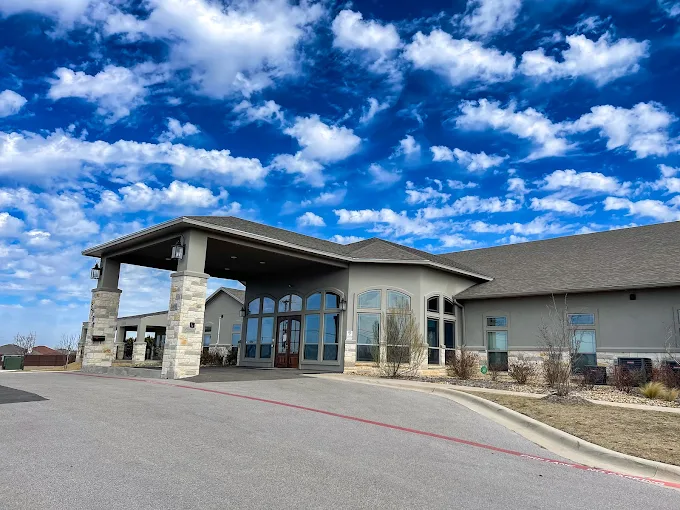
Killeen, TX
View →Residential program with CBT and DBT integrated into daily groups. Mindfulness, yoga, and equine-assisted therapy give clients hands-on tools for anxiety alongside clinical work. Clinical Director: David Jaskowiak, LPC.

Medically reviewed by
Heather Cariker, MSN, APRN, PMHNP-BC, Psychiatric Nurse Practitioner
Last reviewed August 2026

Free & confidential • No obligation • Usually answered within minutes






Substance use disorders and anxiety frequently co-occur, often because people use substances to quiet panic, social anxiety, or the constant background hum of generalized worry. Either can come first. Alcohol or benzodiazepines might start as a way to get through a stressful day, and over time the substance use makes the underlying anxiety worse, not better.
Treating these separately, the addiction first and the anxiety later, tends to work less well. Integrated treatment means both are addressed at the same time, by the same team, so progress on one doesn't stall while the other waits.
At Virtue, substance use disorder is the primary diagnosis we're built to treat. Anxiety is addressed concurrently throughout your time with us. Through therapy, medication management where appropriate, and skills you can use long after treatment ends. You won't be told to wait for the anxiety piece, and you won't be referred out for it.
Virtue specializes in addiction treatment. Substance use disorder is the primary diagnosis we treat. If your primary need is standalone psychiatric care for anxiety without a substance use component, we'll be direct about whether we're the right fit and help connect you with appropriate resources.
Evidence-based therapies adapted for clients with both a substance use disorder and co-occurring anxiety. Most are available across all residential locations.
Cognitive and dialectical behavioral therapies. Identifying the thought patterns that connect anxiety to substance use, and building distress-tolerance and emotional-regulation skills.
Psychiatric medications for anxiety continued and managed throughout treatment by on-site psychiatrists and psychiatric NPs. Evaluated at intake, adjusted as needed.
Yoga, meditation, art therapy, music therapy, equine-assisted therapy. Practical tools for regulating anxious symptoms in the moment, not just talking about them.
Acceptance and Commitment Therapy and Motivational Interviewing. Building psychological flexibility and intrinsic motivation for change alongside anxiety symptoms.
All programming is trauma-informed, since anxiety and unprocessed trauma frequently overlap. Deeper trauma-specific work is available where clinically indicated.
Weekly family sessions available at most locations. Anxiety and addiction affect the whole family system. Family involvement supports recovery.
Anxiety is addressed at whatever level of care fits where you're starting, the clinical intensity changes, the concurrent approach doesn't.
Co-occurring anxiety treatment is integrated across all six Virtue facilities, each with a distinct clinical focus.
Residential program with CBT and DBT integrated into daily groups. Mindfulness, yoga, and equine-assisted therapy give clients hands-on tools for anxiety alongside clinical work. Clinical Director: David Jaskowiak, LPC.

Psychiatric evaluation and medication management available from admission, with weekly provider visits. Clients managing anxiety alongside a co-occurring eating disorder are also supported here. Private villa residential setting.
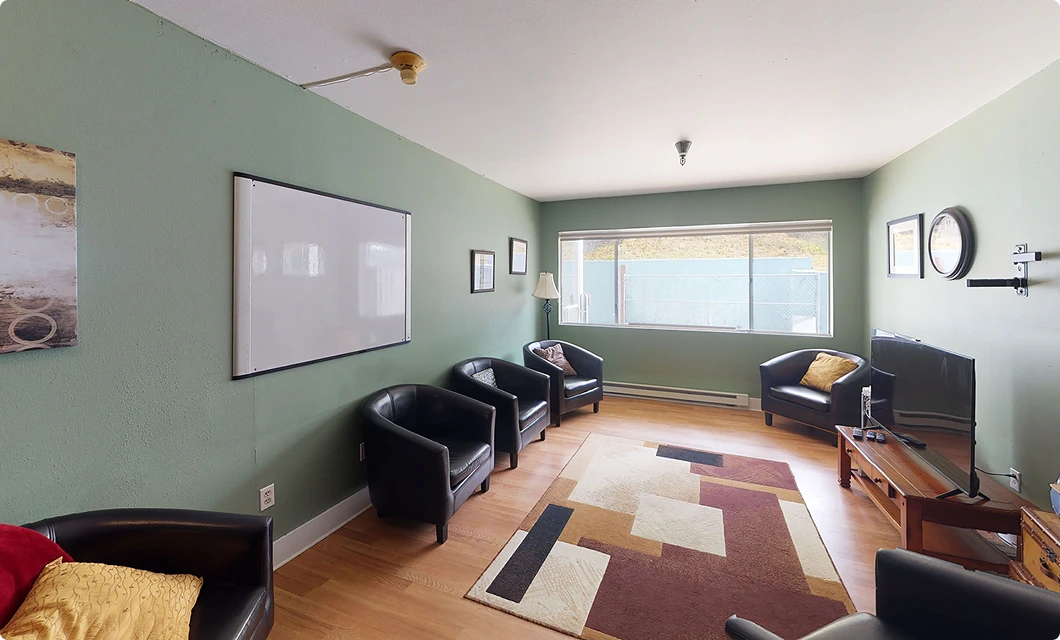
Masters-level co-occurring clinician on staff. Full modality set for anxiety. DBT, CBT, ACT, and mindfulness. Integrated across individual and group therapy.
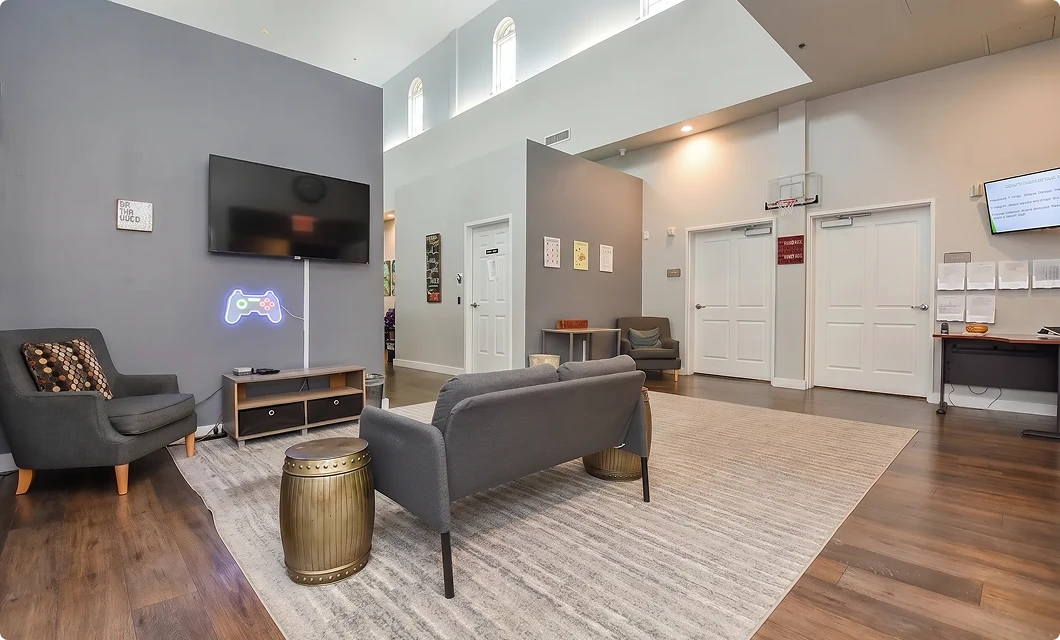
Psychiatrist on-site within 24 hours of admission for every client. Medication review and management start early, not weeks into treatment.
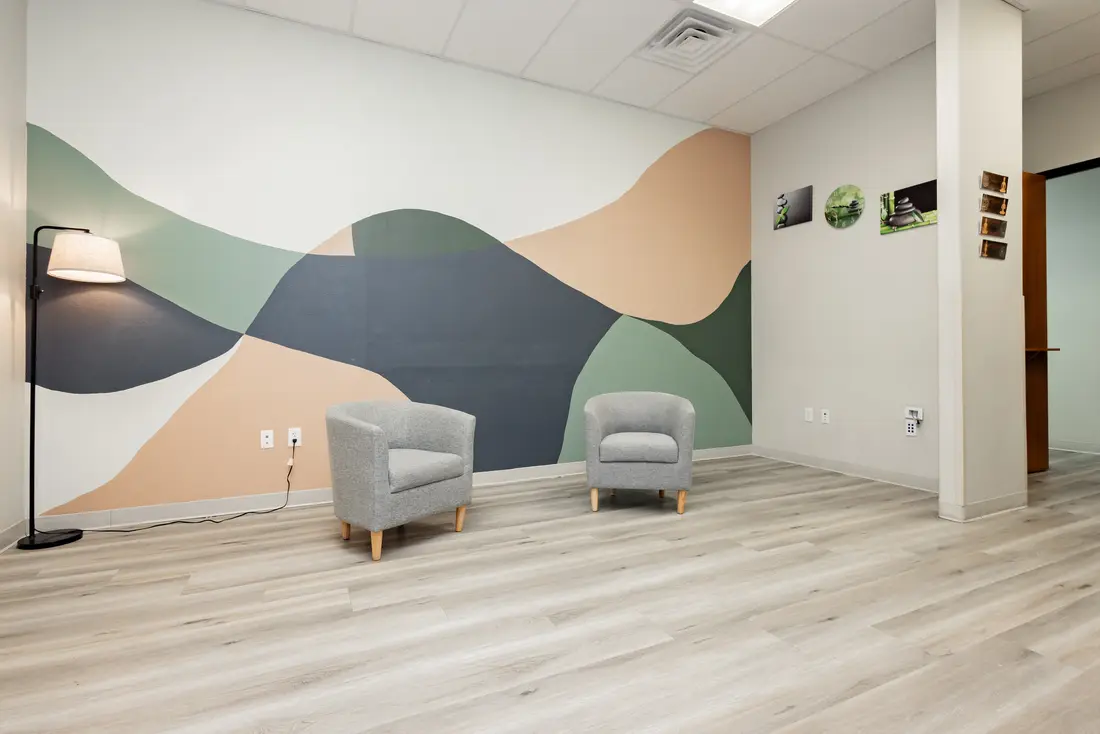
PHP and IOP built for comorbid diagnoses, with weekly psychiatry appointments and DBT/CBT groups designed around clients managing anxiety, substance use, and eating disorders together.
I'd been using to get through social situations for years. The CBT work here gave me actual tools instead of just telling me to relax. The equine sessions sound soft but they genuinely helped me regulate before group.
I was terrified they'd pull me off my anxiety meds the second I walked in. They didn't. My provider reviewed everything at intake and we actually found a better combination than what I'd had for years.
Seeing a psychiatrist within a day of admission mattered more than I expected. My anxiety had been undiagnosed for a decade and it was the first time someone connected it to my drinking instead of treating them separately.
The DBT groups here taught me to sit with anxious feelings instead of drinking over them. It wasn't instant, but by week four I could feel the difference in how I handled stress without reaching for anything.
Weekly psychiatry appointments while still working my job was exactly what I needed. My anxiety and my drinking finally had one team looking at both instead of two separate providers who never talked to each other.
Reviews are sourced from Google. Virtue Recovery Center does not edit, curate, or incentivize reviews.
Common questions
Anything not answered here, ask on the call. There is no obligation.
(866) 461-3339You are allowed to ask
Most people who call us are calling about someone they love. You can ask about the options and check their insurance on their behalf, and it stays a conversation until you decide otherwise.
Related reading
Dual diagnosis treatment
How co-occurring conditions are treated in one plan by one team.
Read the guide →Mental health at Virtue
The conditions we treat concurrently, and where the boundaries are.
Read the guide →Therapies we use
CBT, DBT, EMDR and the experiential work, and where each one fits.
Read the guide →Residential treatment
What a stay involves and the psychiatric support that comes with it.
Read the guide →Insurance









And most PPO plans. Coverage varies by plan and by facility, so if your carrier is not shown, ask rather than assume.
100% confidential · No commitment required
Tell us what has been happening with both the anxiety and the substance use. Admissions will verify your insurance and arrange a clinical assessment, and a real person answers at any hour.
Confidential. No obligation. Someone answers, 24 hours a day.
