
Anorexia treatment that treats what's underneath it, too.
If you or someone you love is struggling with anorexia, you're not alone. If substance use, anxiety or trauma is tangled up with it, that does not make treatment more complicated here. It is exactly what our Las Vegas program is built for.
- Restriction treated alongside the anxiety, trauma or substance use under it
- A dietitian assessment before your first meal, in a dedicated ED villa
- RN and LPN coverage on site 24 hours a day at Corbett
- Residential at Corbett, PHP and IOP at Montessouri, in Las Vegas
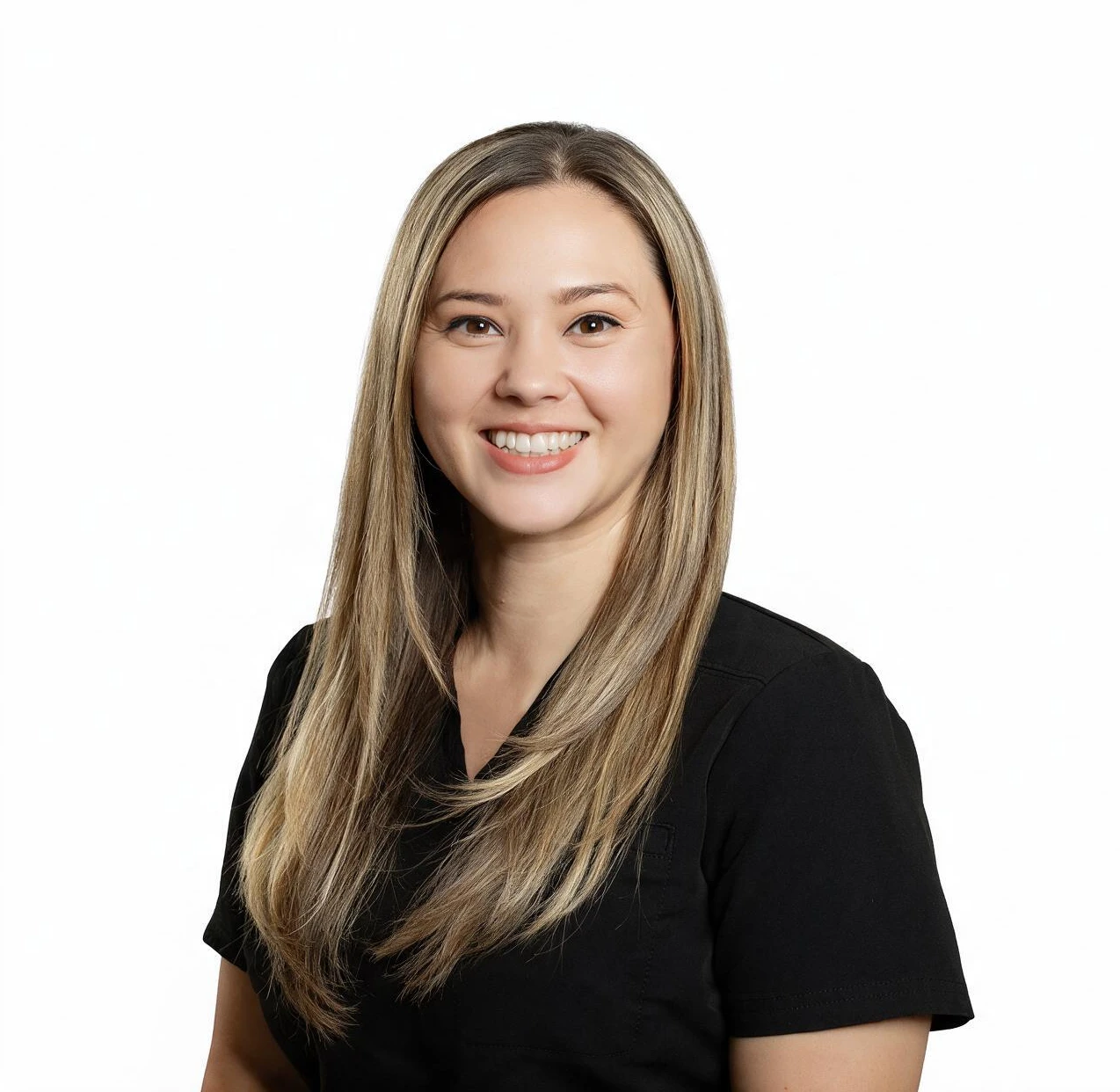
Written by
Laura De Fiesta, MS, RD, LD, Director of Nutrition and Culinary Services
Last reviewed August 2026
Check your insurance

Free & confidential • No obligation • Usually answered within minutes





Recovery is possible
Anorexia rarely shows up alone.
Anorexia is a serious eating disorder centered on restrictive eating and a distorted relationship with food and body image — and it very often occurs alongside substance use, anxiety, depression, or trauma. That overlap isn't unusual, and it isn't a complication we treat as an afterthought.
We also treat atypical anorexia — the same restrictive patterns and psychological experience, without meeting every diagnostic criterion for anorexia itself. If you're not sure whether what you're dealing with "counts," call us. We'll help you figure out the right next step either way.
The differentiator
Most people we see with anorexia are also facing substance use. We treat both, together.
Specialized eating disorder centers often aren't set up to treat substance use at the same time — and general addiction treatment programs often aren't set up to treat anorexia. Our Las Vegas program is built specifically for that overlap: one team, one clinical plan, treating the anorexia, any substance use, and the underlying trauma or anxiety as one clinical picture, not three separate referrals.

Levels of care
Residential for anorexia itself — and time to actually heal.
Primary anorexia treatment happens at the residential level, typically 30 to 45 days, with extended stays where clinical progress calls for them. When anorexia occurs alongside substance use, PHP and IOP at Montessouri treat both together as one co-occurring program, not as standalone eating-disorder outpatient.
Corbett
Primary eating disorder · typically 30–45 days
- Dedicated ED villa, private rooms and ensuite baths
- On-site chef and therapeutic garden
- Dietitian assessment before your first meal
- 24/7 on-site RN/LPN coverage
- Detox villa transfers directly into the ED villa if needed
Montessouri
For co-occurring eating disorder + substance use
- 6 hours a day, 5 days a week
- Dietitian within 24 hours of admission
- Weekly nursing assessment and weekly psychiatry
- Nutrition group, meal support, EMDR available
Montessouri
For co-occurring eating disorder + substance use
- 3–5 days a week, 3 hours a day
- Weekly dietitian and individual therapist
- Dedicated case manager throughout
- Alumni support at discharge
What treatment looks like
Evidence-based, dietitian-led, at every level of care.
CBT-ED
Enhanced CBT adapted specifically for restriction patterns — the gold-standard psychological intervention for anorexia.
DBT
Targets the emotional dysregulation and distress-tolerance deficits that often underlie restrictive eating.
Mindfulness
Present-moment awareness practices that build tolerance for the anxiety meals and body image can trigger, without avoidance.
EMDR
Trauma processing available in individual sessions — anorexia and trauma are frequently co-occurring.
Meal Support
Staff-supported meals at every level of care — structured, non-punitive eating while you rebuild a relationship with food.
Nutrition Psychoeducation
Dietitian-led education on how the body and brain interact with food, separating fear-based beliefs from physiology.
Family Therapy
Family therapy at Corbett residential; a weekly virtual family support group at Montessouri. Family contact is clinical, not incidental.
Medication Management
Psychiatric and medical evaluation on admission, with medication management throughout at every level of care.
Written by
Laura De Fiesta, MS, RD, LD · Director of Nutrition and Culinary Services, Las Vegas
Clinically reviewed by Diana Kennedy, LCSW-S, LCADC-S · Lead Clinical Therapist
With contributions from Corey Honeycutt, M.S., CPC-I on body image and relationship-with-food care
Last reviewed: August 2026
Getting the right care
We'll help you find the right starting point — even if it's not with us first.
This program treats adults 18 and older. If you're a parent or caregiver worried about a teenager, we're not able to treat adolescent eating disorders here — but call us anyway. We'll talk through what you're seeing and help point you toward care that's appropriate for their age.
Anorexia can involve real medical risk, and our team takes that seriously from the first call. We assess the right starting point for every person we talk to — and if someone needs medical stabilization before residential eating disorder care, we'll say so directly and help arrange that next step, rather than admitting someone before it's safe to do so.
We're proud to serve veterans and active-duty service members, including through TRICARE, with extended lengths of stay when clinically appropriate.
Common questions
Questions about anorexia treatment
Anything not answered here, ask on the call. There is no obligation.
(866) 461-3339- Do you treat anorexia and addiction together?
- Yes — this is the core of the Las Vegas program. Most people we see with anorexia are also managing substance use, and the two are treated together by one team, not as separate programs at separate places.
- What does anorexia treatment involve?
- Nutrition and meal support led by a registered dietitian, medical monitoring, and therapy — including CBT-ED, DBT, and EMDR when trauma is part of the picture. Every plan is built around the whole person, not just eating patterns.
- Do you treat atypical anorexia?
- Yes. Atypical anorexia — the same restrictive eating patterns and psychological features, without meeting a low-weight criterion — is treated with the same clinical approach as anorexia. If you're unsure whether your experience fits, call admissions and they'll be direct about what the program is built for.
- What levels of care do you offer?
- Primary anorexia treatment is residential — a dedicated villa at Corbett, typically 30 to 45 days, with detox first if needed. If anorexia occurs alongside substance use, we also offer PHP and IOP at Montessouri that treat both together as one co-occurring program. We don't offer eating-disorder-only outpatient, but our team will help you find the right fit either way.
- Do you treat teens with anorexia?
- This program is for adults 18 and older. If you're a parent or caregiver worried about a teenager, we're not able to treat adolescent eating disorders here — but call us anyway. We'll talk through what you're seeing and help point you toward age-appropriate care.
- What if the person I'm calling about is medically fragile?
- Our clinical team assesses the right starting point for every person who calls. If someone needs medical stabilization before residential eating disorder care, we'll say so directly and help arrange the right next step — including medical clearance — before treatment begins here.
- Does insurance cover anorexia treatment?
- Most commercial and PPO plans include some coverage. Our admissions team verifies your specific benefits for free before you commit to anything.
Your insurance may cover treatment.
Most major insurance plans cover addiction and mental health treatment — often more than people expect. Finding out is free, confidential, and takes just a few minutes, with no obligation. You can even check on behalf of a loved one.
Most commercial and PPO plans cover medically necessary eating disorder treatment — we'll verify exactly what yours includes.
No insurance or worried about cost? We'll walk you through your options, including private pay — no one is turned away without knowing their next step.
Verify Your Insurance




Free verification · Confidential · No obligation · Most major plans accepted
Ready to talk?
Our Las Vegas admissions team will ask about the full picture — eating patterns, any substance use, co-occurring concerns, and insurance — and be direct about whether the program is the right fit. No pressure, no obligation.
Speak With an Admissions Specialist
100% Confidential • Available 24/7 • Most Insurance Accepted
