
Almost everyone who searches this is standing next to someone, frightened, and stuck on the same question: what did they take? That question is the reason people wait. It shouldn't be, because you don't need the answer.
You Don't Need to Know What They Took
Not knowing the substance is the normal situation, not an unusual complication. People are found rather than watched. Someone took something at a party hours earlier. What was sold as one thing was another. Emergency responders deal with unidentified overdoses constantly and are entirely equipped for it.
The two things that decide what you do are consciousness and breathing. Can you wake them — properly, not a mumble? Is their breathing normal? If the answer to either is no, that's enough. The substance changes what happens at the hospital. It doesn't change what happens in the next sixty seconds.
The Two Pictures
Overdose looks like one of two opposite things, and most people only recognise the first. The second gets missed because it doesn't match what "overdose" brings to mind.
Slowed down — opioids, alcohol, sedatives
Breathing that is slow, shallow, irregular, or stopped. Snoring or gurgling that isn’t normal sleep. Blue or grey lips, fingertips, or face. Unresponsive to shouting or a hard sternal rub. Pinpoint pupils with opioids. Cold, clammy skin. This picture kills by stopping breathing.
Revved up — cocaine, meth, stimulants
Chest pain. A racing or irregular heartbeat. Very high body temperature and hot skin. Severe agitation, confusion, or paranoia. Seizures. This picture kills through the heart, through overheating, or through stroke — and it looks nothing like the one people picture when they think “overdose”.
Both are emergencies. Someone having chest pain and a racing heart after stimulants is in as much danger as someone breathing four times a minute after opioids — but only the second looks like the thing on television. Alcohol poisoning sits in the first group and is routinely mistaken for being very drunk, which is why people are left to sleep and don't wake up.
What to Do While You Wait
Recovery position if they're breathing but not responsive — on their side, so vomit can't block the airway. More people die from choking while unconscious than most realise, and this costs nothing to do.
Naloxone if it's anywhere in the house, whatever you think was taken. Fentanyl turns up in stimulants and counterfeit pills [2], so someone can have taken an opioid without knowing it. It's available over the counter, does nothing if no opioid is present [1], and more than one dose may be needed.
Keep them cool if they're overheated and agitated, and keep the room calm — struggling and restraint push body temperature higher. Don't put anyone in an ice bath; controlled cooling is a hospital procedure.
Don't give food, coffee, or a cold shower to "sober them up" — none of it works and choking is a real risk. Don't induce vomiting. Don't give another drug to counteract it. And don't leave, even briefly.
If You Do Know What It Was
The guidance above still applies first — call, naloxone, recovery position. Once help is on the way, these have substance-specific detail:
- Cocaine and stimulants — no reversal agent; overheating and cardiac events are the dangers.
- Acetaminophen / Tylenol — ⚠️ go even if they feel completely fine; symptoms are usually absent during the window when treatment works best.
- GHB — ⚠️ naloxone will not reverse it. Give it anyway in case opioids are involved, but don't wait to see if it works.
- Kratom — nearly all reported deaths involved other substances, so assume something else is on board.
If You're Still Not Sure
Then call. That's the entire answer, and it's worth being direct about why.
The cost of calling when it turns out to be nothing serious is some embarrassment and a few hours. The cost of not calling when it was serious is not recoverable. Those aren't comparable, and dispatchers would overwhelmingly rather assess a situation that turns out fine. You are not wasting anyone's time.
If you genuinely can't decide, Poison Control on 1-800-222-1222 is free, confidential, staffed 24/7, and will tell you plainly whether this needs an ambulance.
Once they're safe
For afterwards, not now. An overdose is often the moment a family discovers how serious things had become, and the days after tend to be disorienting for everyone — including the person it happened to, who may be ashamed rather than grateful.
When you get there: medically supervised detox and residential treatment are here, and where use sits alongside depression, anxiety, or trauma we treat them together. If you're the one who made the call and don't know what happens now, our Families & Loved Ones team talks to people in exactly this position, and can check their insurance on their behalf.
One practical thing worth doing regardless of what comes next: keep naloxone in the house. It's over the counter, and it costs nothing to have and not need.
FAQs
- How do I know if it is an overdose?
- The two signs that matter most are consciousness and breathing. If someone cannot be woken — not drowsy, but genuinely unrousable — or their breathing is slow, irregular, gurgling, or stopped, treat it as an overdose and call 911. You do not need any other information, and you do not need to be right.
- What if I do not know what they took?
- That is the most common situation, and it changes nothing about what you should do. Call 911, give naloxone if you have it, and put them on their side if they are breathing. Tell the dispatcher you do not know what was taken — that is useful information, not a failure, and responders are trained for exactly this.
- Should I give naloxone if I am not sure it is opioids?
- Yes. Naloxone does nothing if no opioid is present and causes no harm, and fentanyl now turns up in stimulants and counterfeit pills, so people frequently take opioids without knowing. Slow or stopped breathing especially points toward opioid involvement. There is no downside to being wrong about this, and there is an enormous downside to hesitating.
- Can someone just sleep it off?
- No — and this is where people are most often lost. Someone who seems to be sleeping heavily may be losing consciousness, and snoring or gurgling can be the sound of an obstructed airway rather than sleep. If you cannot wake them properly, that is not sleep. Never leave someone alone to sleep off a suspected overdose.
- Will we get in trouble for calling 911?
- Most US states have Good Samaritan laws that protect people who call for help during an overdose from certain drug-possession charges. Protections vary by state, but hesitation is the thing most likely to cost a life. Emergency responders are there to treat someone, not to build a case.
- What should I tell the 911 dispatcher?
- Whether they are conscious and whether they are breathing, first. Then anything you know or suspect was taken — including alcohol, prescriptions, and anything you are unsure about. Say if you found containers or packaging, and say plainly if you do not know. Stay on the line; they will talk you through what to do.
- Does insurance cover treatment after an overdose?
- Most major plans cover medically necessary detox and substance use treatment. You can verify coverage for free in a few minutes — including on someone else’s behalf.
Sources
- Substance Abuse and Mental Health Services Administration (SAMHSA). Naloxone.
- National Institute on Drug Abuse (NIDA). Fentanyl.
- National Institute on Alcohol Abuse and Alcoholism (NIAAA). Understanding the Dangers of Alcohol Overdose.
- National Institute on Drug Abuse (NIDA). Drug Overdose Deaths: Facts and Figures.
This article is for informational purposes only and is not a substitute for emergency medical care. If you suspect an overdose, call 911.
Written by
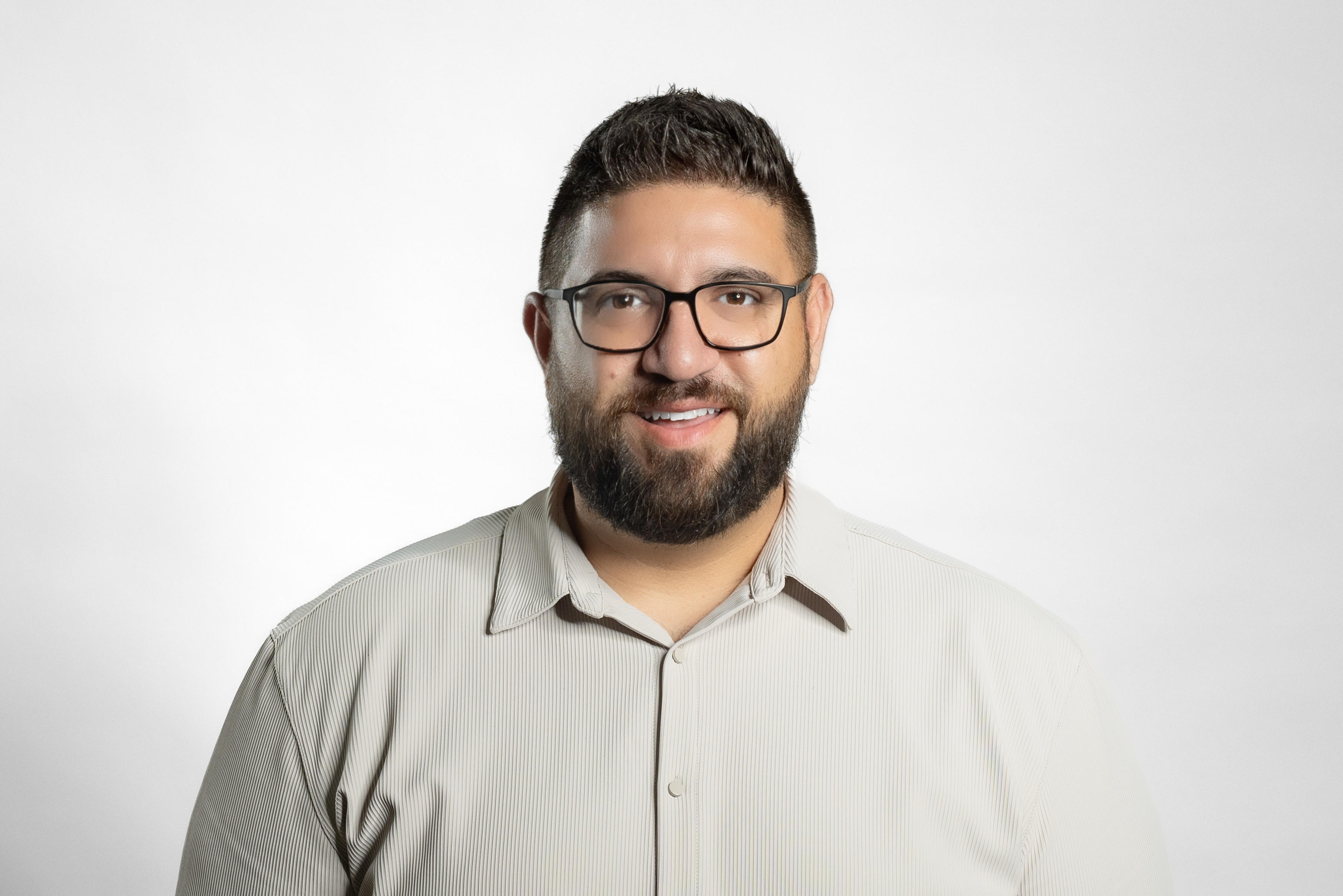
Executive Director
Dominic Perry is a Licensed Clinical Social Worker (LCSW), Licensed Clinical Alcohol and Drug Counselor (LCADC), Master Addiction Counselor (MAC), and DOT Substance Abuse Professional (SAP) with approximately eight years of experience in behavioral health and substance use treatment. Dominic began his work with Virtue as a therapist at the Corbett residential facility before progressing into leadership, and now serves as Executive Director of Virtue Recovery Center – Outpatient in Las Vegas. He earned his Bachelor of Social Work from UNLV and his Master of Social Work from the University of Nevada Reno.
Read Full Bio →