
Nutritional Counseling for Eating Disorders
Registered-dietitian-led nutritional care, planned alongside the medical and therapeutic sides of treatment rather than bolted on beside them, at our two Las Vegas locations.
- One-to-one sessions with a registered dietitian, not a plan handed to you
- Nutrition planned alongside the medical and therapeutic side, not bolted on
- Nutrition staff present in the milieu, not only in appointments
- Residential at Corbett and outpatient at Montessouri, in Las Vegas
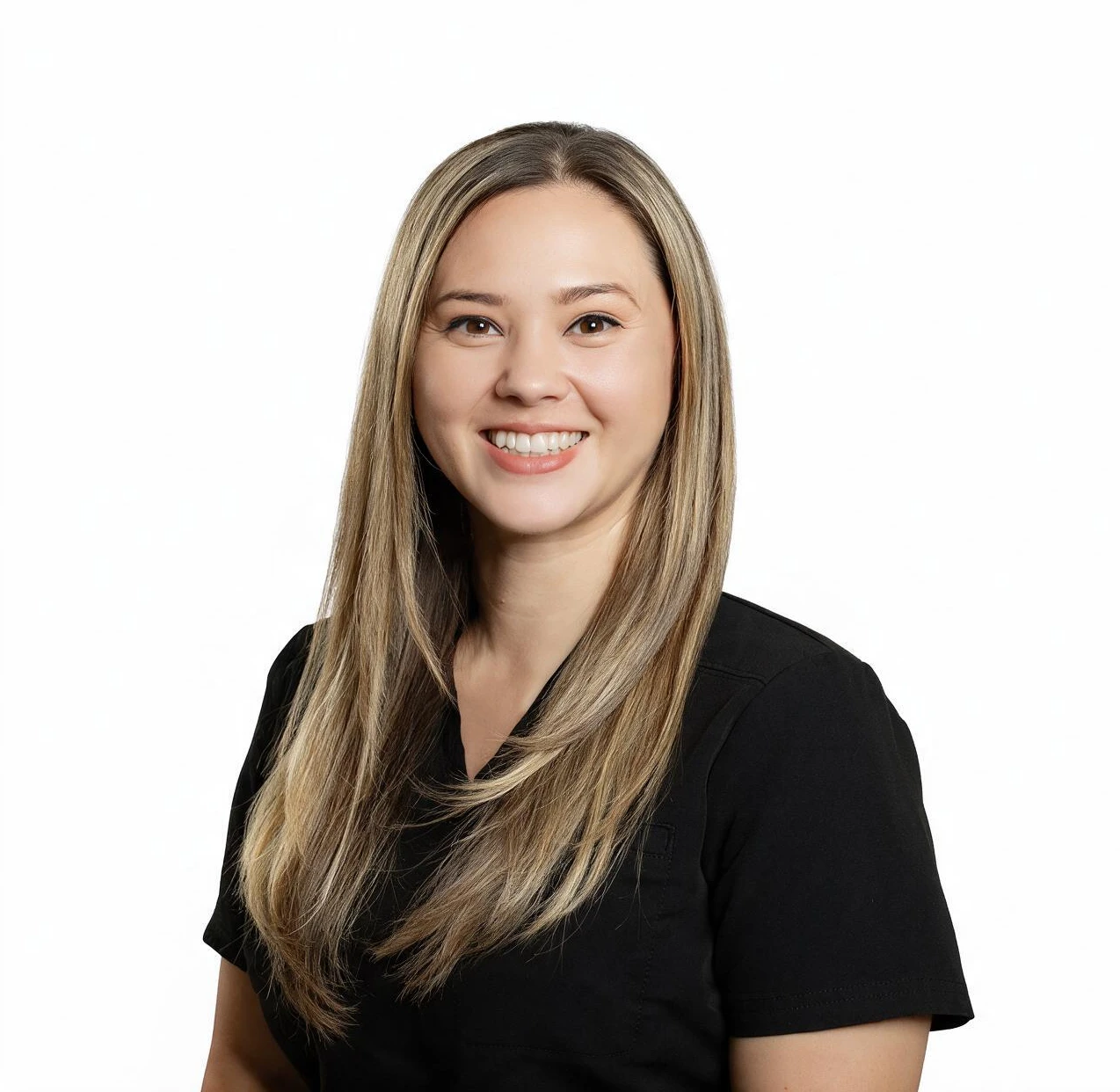
Written by
Laura De Fiesta, MS, RD, LD, Director of Nutrition and Culinary Services
Last reviewed August 2026
Check your insurance

Free & confidential • No obligation • Usually answered within minutes





What the work is
A registered dietitian, not a meal plan handed to you.
The difference people are usually trying to work out when they call is whether nutritional care here means a professional who sits down with you, or a printed sheet at the end of an admission. It is the former. Sessions are one to one with a registered dietitian, and they change shape as treatment goes on.
What eating has come to mean
The first sessions are mostly listening. What food has come to stand for, what the rules are, and where they came from. None of that is worked out from a chart.
How the body is actually doing
Nutritional rehabilitation is a medical process, and it is monitored as one. Your dietitian works from how your body is responding rather than from a target.
What changes as treatment goes on
Early sessions and late ones are not the same conversation. What starts as steadying the immediate situation becomes preparing for meals nobody is supervising.
The parts that are not about food
Sleep, energy, concentration and mood are all part of it, and they are usually the first things a person notices changing.
Why it is medical
Eating again is a medical process, and it is supervised as one.
The reason this is done in a monitored setting rather than at home is that a body which has been undernourished reacts to being fed again. The NIH describes that as a genuine clinical risk, and it is why the dietitian works alongside the medical team rather than in a separate lane.
Practically, that means your nutritional care, your medication management and your therapy are one plan rather than three. What changes on the medical side changes what the dietitian does next, and the people making those decisions are in the same building.
It is also the honest answer to the question referring clinicians ask, which is whether the nutritional care here is a real clinical service or a description of the catering.
- RN and LPN coverage on site 24 hours a day at Corbett
- A dietitian assessment before your first meal in residential
- Weekly nursing assessment and weekly psychiatry at Montessouri
- Medication management handled by the same team, not referred out
Medically reviewed by Dr. Keith Garcia, MD, PhD, Medical Director.
Who does it
Nutrition staff are in the building, not only in your calendar.
The scheduled session is the smaller half of this. Dietitian and nutrition techs work in the milieu throughout the day, which means support is available at the moments that are actually hard rather than at two o'clock on Thursday because that is when the appointment was.
For anyone who has done outpatient work before, that is usually the difference they notice first. The hard part of eating is rarely the part that happens in an office.
Director of Nutrition and Culinary Services
A registered dietitian directs nutrition and culinary services across the network, which is why the food and the clinical nutrition work are one programme rather than a kitchen and a consultant who visit the same building.
Meet the teamPreparing to leave
Eating in a programme is not the hard part. Eating afterwards is.
Every meal in treatment happens with people around who know what they are doing, which is what meal support is. The test is the first ordinary week back, so the later part of the work is deliberately about that: cooking, planning and shopping done with you rather than for you.
Cooking classes and participatory meal planning exist for that reason. They are not an activity on a schedule. They are the rehearsal for the part nobody is going to supervise.
Stepping down from residential to PHP and then IOP does the same thing structurally: the amount of support comes down gradually while you are still in contact with the team, rather than ending on a discharge date.
When both are in the picture
Most people we see are recovering from both at once.
Eating disorders and substance use travel together far more often than people expect, and the nutritional side of recovering from both is not two separate jobs. Substance use changes what someone has been eating, and restriction changes how a body handles withdrawal. Treating them in one plan is the only way either part makes sense.
Very few programmes staff for both. It is the reason the dual track exists here, and the reason the dietitian is in the same clinical conversation as the rest of the team.
Eating Disorders and AddictionCorbett, Las Vegas
Residential eating disorder care in a dedicated villa, with a dietitian assessment before your first meal.
See Corbett →Montessouri, Las Vegas
PHP and IOP for co-occurring eating disorder and substance use, with a dietitian within 24 hours of admission and weekly thereafter.
See Montessouri →The eating disorder programme runs in Las Vegas only. Our other facilities treat substance use and co-occurring mental health without the eating disorder clinical model.
For referring clinicians
Stepping a patient up from outpatient care.
Outpatient dietitians and eating disorder providers call us to move patients up when outpatient work is no longer holding. If that is you, say so when you call and admissions will route it accordingly.
What is usually worth covering on that first call: the level of care that fits, what the medical and nutritional oversight looks like at each site, whether co-occurring substance use is in the picture, and what a transition would actually involve for your patient.
Having the current level of care, the medical picture and any co-occurring substance use to hand makes the conversation faster. If your patient is not medically stable, that is the first thing to say, because it changes the answer.
Common questions
Questions people ask about nutritional counseling
If you are supporting someone else, these are the answers worth having before you raise it with them.
(866) 461-3339- Will I actually work with a registered dietitian?
- Yes, and one-to-one rather than only in a group. At Corbett a dietitian assessment happens before your first meal. In PHP you see a dietitian within 24 hours of admission, and in IOP a dietitian weekly alongside your individual therapist. Nutrition here is a clinical discipline with its own staff, led at network level by a Director of Nutrition and Culinary Services.
- Will I be put on a diet or handed a meal plan?
- Nutritional rehabilitation is not dieting, and it is not the same conversation as weight management. The work is about repairing your relationship with eating and letting your body recover, and what that involves is decided with you by a clinician who knows your history. That is also why you will not find plans, targets or numbers written on this page. They belong in a session with your dietitian, not on a website.
- Does the dietitian work with the medical team?
- That is the point of doing it this way. Nutritional care is planned alongside the medical and therapeutic sides rather than running beside them. At Corbett there is RN and LPN coverage on site around the clock; at Montessouri there is a weekly nursing assessment and weekly psychiatry. Medical supervision matters in early nutritional rehabilitation because the body reacts to eating again, which the NIH describes as a real clinical risk, and it is a reason this is done in a monitored setting.
- Do you treat eating disorders alongside substance use?
- Yes, and for most of the people who come to us both are present. They are treated as one clinical picture by one team rather than being sent to two programmes that do not speak to each other. There is more on our eating disorders and addiction page.
- What if I am medically unstable?
- Our clinical team assesses the right starting point for every person who calls. If someone needs medical stabilization before residential eating disorder care, we will say so directly and help arrange the right next step, including medical clearance, before treatment begins here. If you are in immediate danger, call 911 rather than calling us first.
- I am a clinician referring a patient. Who do I speak to?
- Call our admissions team and say you are referring. They can talk through the level of care, what the nutritional and medical oversight looks like at each site, and what a transition would involve. Outpatient dietitians and eating disorder providers move patients up to us, and that conversation goes faster clinician to clinician.
- Is nutritional counseling available outside Las Vegas?
- The dedicated eating disorder programme, including this nutritional care, runs at our two Las Vegas locations only: residential at Corbett and PHP and IOP at Montessouri. Our other facilities treat substance use and co-occurring mental health, but they do not run the eating disorder clinical model or carry the nutrition team. If you are elsewhere, call and we will talk through travelling here or point you toward the right provider closer to home.
You are allowed to ask
If you are calling for someone else
Most people who call us are calling about someone they love. You can ask about the options and check their insurance on their behalf, and it stays a conversation until you decide otherwise.
Related reading
Meal support
What mealtimes actually involve, who is at the table, and why nothing is forced.
Read the guide →Eating disorder treatment
The whole programme, the levels of care, and where each one runs.
Read the guide →Eating disorders and addiction
Why the two travel together, and what treating both in one plan looks like.
Read the guide →Anorexia treatment
Restriction-pattern eating disorders, and the medical care that comes with them.
Read the guide →Corbett, Las Vegas
The residential campus, the dedicated eating disorder villa, and the grounds.
Read the guide →Insurance
We accept most major insurance plans.









And most PPO plans. Coverage varies by plan and by facility, so if your carrier is not shown, ask rather than assume.
- Free, and there is no obligation at the end of it
- Usually answered within minutes during the day
- You can check on behalf of someone else
- Admissions answers the phone 24 hours a day
- No insurance? Ask about private pay options. Nobody is turned away without knowing their next step.
Check my insurance coverage
100% confidential · No commitment required
Ask what the nutritional care actually involves.
Admissions can talk through how the dietitian, the medical team and the therapy fit together, verify your insurance, and arrange a clinical assessment. Whether you are asking for yourself, for someone you love, or for a patient.
Confidential. No obligation. Someone answers, 24 hours a day.
